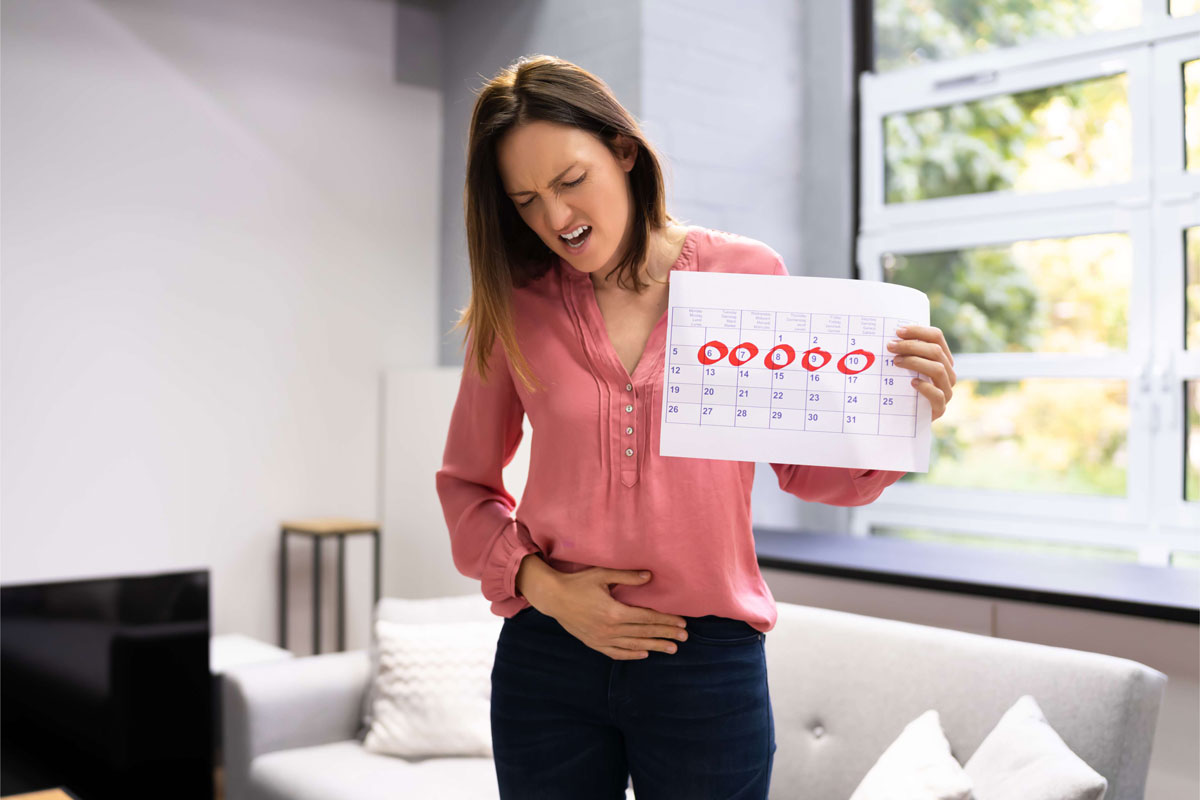
"It's just part of being a woman." "You need to toughen up." "Take some ibuprofen and deal with it."
Sound familiar? If you've ever complained about PMS symptoms to a doctor, friend, or family member, you've probably heard dismissive responses like these. Whether you're a teenager just starting your menstrual journey or a woman in perimenopause experiencing worsening symptoms, the message is often the same: painful periods, debilitating PMS, and heavy bleeding are just "normal" parts of having a uterus that you should learn to tolerate.
But here's what I want you to know as both a physician and a woman who has experienced hormone-related struggles: severe PMS symptoms are common, but they're not normal, and they're definitely not something you should have to "suck up."
As someone who spent years in conventional medical training and practice, I can tell you that most healthcare providers receive shockingly little education about the complex hormone interactions that drive PMS. This knowledge gap means millions of women are told to simply endure symptoms that significantly impact their quality of life, work performance, and relationships, when effective solutions actually exist.
Let's dive into what's really happening in your body during PMS and why understanding the hormone connection is the first step toward feeling better.
What Is PMS, Really?
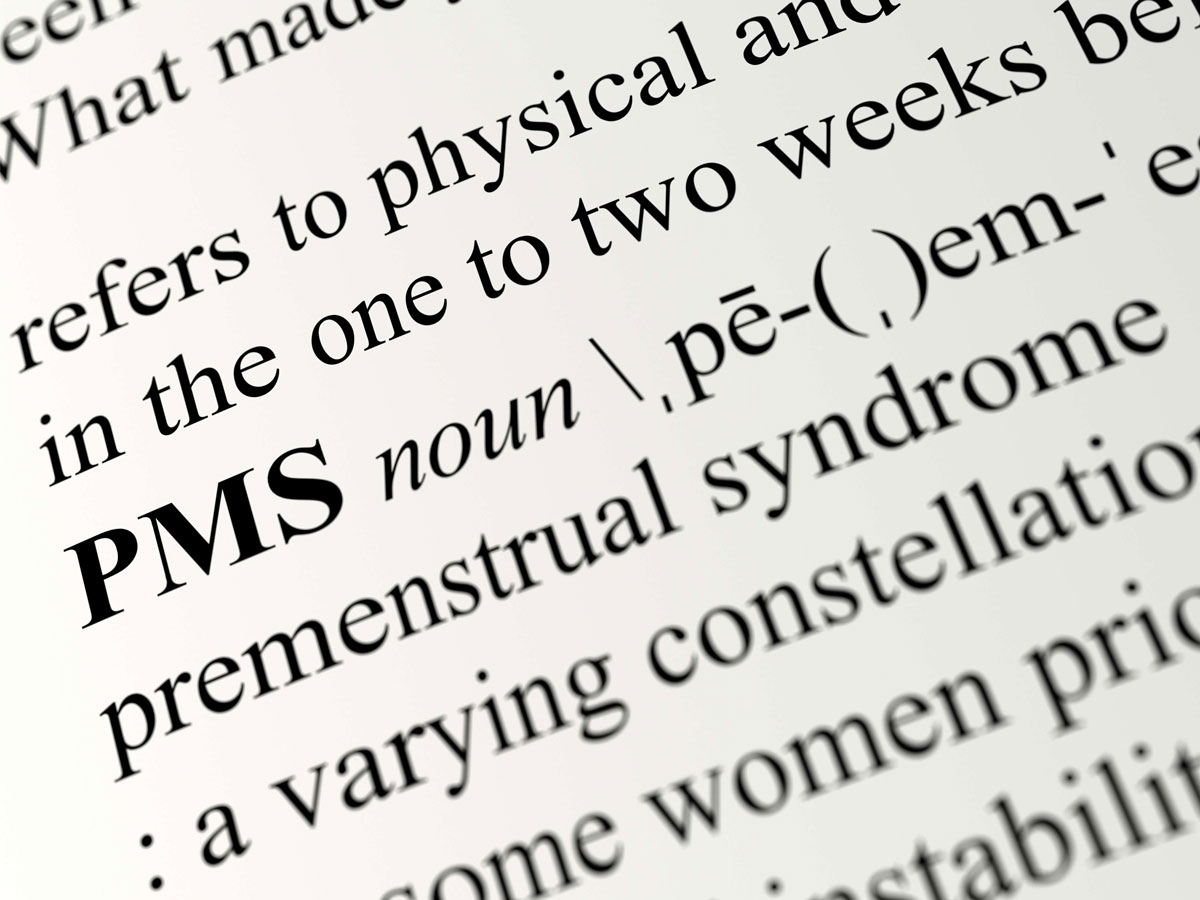
Premenstrual Syndrome (PMS) encompasses a collection of physical, emotional, and behavioral symptoms that occur in the days leading up to your period. About 75% of women experience some form of PMS, making it one of the most common reproductive health issues, yet it remains poorly understood and inadequately addressed by conventional medicine.
PMS symptoms typically appear 5-10 days before your period and resolve within four days of menstruation beginning. The range of potential symptoms is extensive, but most women experience just a few from either category:
Physical Symptoms:
- Breast tenderness and swelling
- Bloating and abdominal discomfort
- Headaches or migraines
- Joint and muscle aches
- Fatigue that doesn't improve with rest
- Food cravings (especially for sugar and salt)
- Changes in appetite
- Sleep disturbances
- Acne flare-ups
Emotional and Behavioral Symptoms:
- Mood swings and irritability
- Anxiety or feeling on edge
- Depression or feeling hopeless
- Crying easily or feeling emotionally fragile
- Difficulty concentrating or brain fog
- Social withdrawal
- Changes in libido
The severity can range from mildly annoying to completely debilitating. Some women function normally with minor discomfort, while others find themselves unable to work, maintain relationships, or engage in normal activities for days each month.
The Hormone Roller Coaster Behind PMS
To understand why PMS happens, we need to look at the intricate hormonal dance that occurs throughout your menstrual cycle. Your hormones don't just affect your reproductive system - they influence your brain chemistry, digestive function, immune system, and virtually every aspect of your physiology.
The Monthly Hormone Symphony:
During the first half of your cycle (follicular phase), estrogen rises steadily, often creating feelings of energy, optimism, and mental clarity. This is when many women feel their best.
Around ovulation, estrogen peaks while progesterone begins to rise. Some women experience a mild energy dip or increased appetite during this transition.
After ovulation (luteal phase), progesterone takes center stage while estrogen fluctuates. This is typically when PMS symptoms appear. Progesterone has a naturally calming effect, but for some women, the dramatic hormonal shifts trigger the opposite response.
Just before your period, both estrogen and progesterone drop sharply. This sudden hormonal withdrawal can trigger a cascade of symptoms affecting mood, energy, pain sensitivity, and physical comfort.
Why Some Women Suffer More:
The key question isn't just what hormones are doing, but why some women are more sensitive to these natural fluctuations than others. Research suggests several factors contribute to PMS severity:
Hormone Imbalances: While all women experience cyclical hormone changes, some have imbalances that exaggerate symptoms. Higher estrogen levels relative to progesterone (estrogen dominance) or inadequate progesterone production can worsen PMS.
Neurotransmitter Sensitivity: Your hormones directly affect brain chemicals like serotonin, dopamine, and GABA. Women with PMS often have lower serotonin levels during the luteal phase, which explains the mood changes, sleep issues, and food cravings.
Inflammation: Some women have higher levels of inflammatory markers during their cycle, which can intensify pain, mood symptoms, and other PMS manifestations.
Stress and Lifestyle Factors: Chronic stress, poor sleep, nutritional deficiencies, and gut health issues can all amplify your body's response to normal hormone fluctuations.
The Missing Pieces Conventional Medicine Overlooks
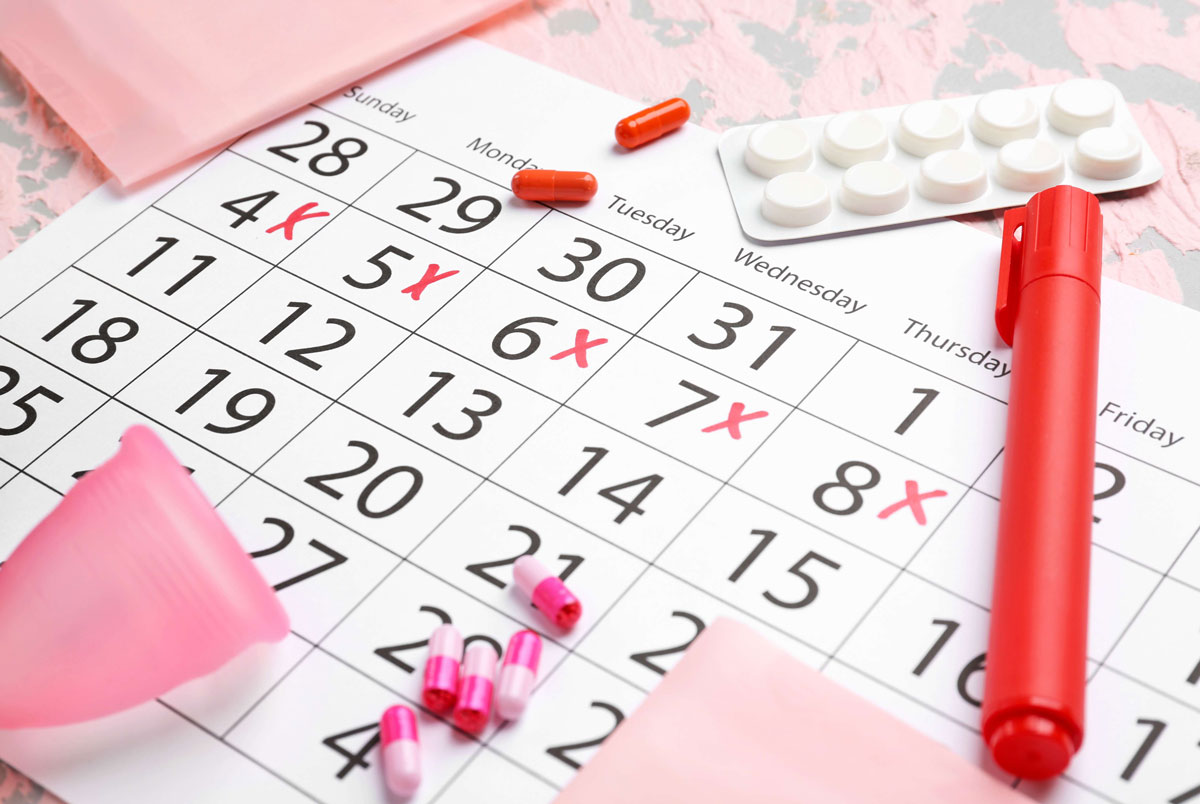
When you visit a conventional doctor for PMS symptoms, you're likely to receive limited options: birth control pills to suppress ovulation, antidepressants for mood symptoms, or anti-inflammatory medications for pain. While these can provide temporary relief, they don't address the underlying reasons why your body is struggling with normal hormone fluctuations.
The Gut-Hormone Connection:
Your digestive system plays a crucial role in hormone metabolism that most doctors never mention. Your gut bacteria help metabolize estrogen, and an imbalanced microbiome can lead to estrogen dominance. Additionally, about 95% of your serotonin is produced in your gut, which explains why digestive health directly impacts mood-related PMS symptoms.
Nutritional Deficiencies:
Research shows that women with PMS often have deficiencies in key nutrients:
- Calcium and Vitamin D: Studies show an inverse relationship between these nutrients and PMS severity
- B Vitamins: Particularly B6, thiamine, and riboflavin, which are crucial for neurotransmitter production
- Magnesium: Essential for muscle relaxation, blood sugar stability, and stress hormone regulation
Environmental Toxins:
Endocrine-disrupting chemicals in everyday products can interfere with your natural hormone function, potentially worsening PMS symptoms. These chemicals are found in conventional skincare products, cleaning supplies, plastics, and even food packaging.
Stress and Inflammation:
Chronic stress elevates cortisol, which can disrupt the entire hormonal cascade. Additionally, inflammation from stress, poor diet, or gut imbalances can make you more sensitive to normal hormone fluctuations.
Why Your Age Matters
Teenage Years and Young Adulthood: Young women are often told that severe period pain and PMS are "normal parts of growing up." While some adjustment period is expected as hormone cycles establish, significant suffering isn't normal. Early intervention with nutrition, lifestyle support, and proper evaluation can prevent years of unnecessary struggle.
Perimenopause: Women in their 40s often experience worsening PMS symptoms as hormone levels become more erratic. The same strategies that worked in their 20s and 30s may suddenly fail, leaving them feeling confused and dismissed when they seek help. This is actually a predictable consequence of changing hormone patterns, not a character flaw or inability to handle stress.
The Conventional Medical Disconnect
Most medical schools provide minimal education about nutrition, stress management, or the complex interplay between lifestyle factors and hormone health. Doctors are trained to diagnose diseases and prescribe medications, not to optimize the intricate balance of factors that affect hormone function.
Additionally, the medical system often treats PMS as a psychological issue rather than a physiological one. When emotional symptoms are present, women are frequently referred to psychiatrists or prescribed antidepressants without investigating the hormonal root causes.
This approach can be particularly frustrating because:
- It doesn't address why symptoms developed in the first place
- It often provides only partial relief
- It can create additional side effects
- It doesn't empower women with tools to support their own hormone health
A Different Approach: Addressing Root Causes
Understanding that PMS stems from your body's response to hormone fluctuations opens up a world of natural, effective interventions I’ll list below that are also covered in my free course:
Nutrition for Hormone Balance:
- Emphasizing nutrient-dense whole foods
- Stabilizing blood sugar to support steady hormone production
- Including hormone-supporting foods like cruciferous vegetables and healthy fats
- Addressing individual food sensitivities that may worsen inflammation
Gut Health Optimization:
- Supporting beneficial bacteria that aid hormone metabolism
- Healing intestinal inflammation that can worsen PMS
- Addressing digestive issues that interfere with nutrient absorption
Stress Management:
- Implementing daily practices that regulate cortisol
- Supporting adrenal function during times of high stress
- Addressing underlying stressors that amplify hormone sensitivity
Environmental Toxin Reduction:
- Choosing cleaner personal care and household products
- Supporting your body's natural detoxification pathways
- Minimizing exposure to hormone-disrupting chemicals
Targeted Supplementation:
- Addressing specific nutrient deficiencies
- Supporting neurotransmitter production
- Providing additional hormone balance support when needed
When to Seek Specialized Help
While lifestyle interventions can be incredibly effective, some women need additional support, especially if:
- Symptoms are severely impacting daily life
- You've tried natural approaches for several months without improvement
- You have underlying hormone conditions like PCOS or thyroid dysfunction
- Family history suggests genetic predisposition to hormone imbalances
Consider working with practitioners who specialize in:
- Functional or integrative medicine
- Women's hormone health
- Nutritional approaches to hormone balance
- Comprehensive hormone testing and interpretation
The Bottom Line
PMS symptoms are your body's way of communicating that something in your hormone ecosystem needs attention. Rather than viewing these symptoms as something to endure or suppress, consider them valuable information about your overall health.
You don't have to accept debilitating PMS as your "normal." You don't need to plan your life around feeling terrible for several days each month. And you definitely don't need to "toughen up" or simply learn to cope with symptoms that significantly impact your quality of life.
The hormonal changes of your menstrual cycle are natural and necessary, but severe symptoms aren't. With the right understanding and support, most women can significantly reduce PMS symptoms and feel more balanced throughout their entire cycle.
Your symptoms are real, they matter, and they deserve proper attention and care. By understanding the hormone connection behind PMS, you're taking the first step toward reclaiming your monthly cycle and your overall well-being.
Remember: seeking help for PMS symptoms isn't being "difficult" or "dramatic", it's advocating for your health and quality of life. You deserve to feel good in your body throughout your entire cycle, not just for half the month.
Taking Control: Your Next Steps
You don’t have to “grin and bear” hormone imbalances that can cause PMS, here's how to take control of your hormonal health:
- Learn how to connect symptoms to hormone imbalances using our free quiz and check out our Free Hormone Testing Guide to learn about the most complete testing for hormone imbalances.
- Take my free course Harmonize Your Hormones to learn how diet, lifestyle and even your beauty routine impacts your hormone balance.
- Join our community of women navigating perimenopause together. Sign up for our free newsletter for evidence-based tips and support, delivered straight to your inbox. → The Hormone Beat
- If you’re ready to go deeper on hormone health, sign up for our Simply Hormone Rebalancing Course that provides in-depth, science-backed information on managing your hormones the smart way.
This information is for educational purposes only and should not replace personalized medical advice. Always consult with a qualified healthcare provider about your specific symptoms and health concerns.