
The Exhaustion Epidemic: A staggering 85% of perimenopausal women experience fatigue, yet many are dismissed with comments like it's simply "stress" or a part of "normal aging." But what if your hormones are the real culprits contributing to your unexplained exhaustion? Join us to uncover the truth—and learn proactive steps you can take towards reclaiming your vitality!
The Morning That Changed Everything

I'll never forget Sarah, a 43-year-old marketing executive who collapsed into my office chair in tears. "I've tried everything," she whispered. "I sleep eight hours but wake up exhausted. I'm downing coffee all day. My doctor checked my thyroid and said everything's 'normal,' but this doesn't feel normal. I feel like I'm losing myself."
Sarah's story might sound familiar. You wake up tired. You drag yourself through the day. You might even be getting "enough" sleep. But something's off—way off. And you're starting to wonder if this is just what getting older feels like.
The truth? Your exhaustion isn't "just stress," "just aging," or "just in your head." It's your hormones talking. And it's time we listened.
The Hormone-Fatigue Connection You Absolutely Must Understand
Recent studies reveal that a staggering 75% of women aged 45-55 endure menopausal symptoms, with fatigue being among the most prevalent. This fatigue often peaks 1-2 years before the final menstrual period, making it a crucial time for awareness and education. Even more striking is the fact that 89% of women with treated hypothyroidism continue to struggle with fatigue, indicating that conventional treatments frequently overlook this persistent issue.
Remember, feeling fatigued isn't a failure on your part or merely a lack of willpower; it's a natural result of your biochemistry at work.
The Four Hormonal Fatigue Thieves

When it comes to fatigue related to hormonal changes, four notorious culprits typically come to light. Let's reveal these energy thieves and explore how they operate, highlighting their impact on our vitality.
1. The Perimenopause Rollercoaster: Estrogen & Progesterone
Imagine your hormones as a meticulously choreographed dance, stable and predictable for decades. Now, picture this: during perimenopause, the music switches up unexpectedly every few days, sometimes even mid-step. It's a jarring reality faced by the 63.3% of women aged 35-55 who express that they "don’t feel like themselves" as their hormone levels swing dramatically.
Low Progesterone: The Sleep Initiator
Progesterone is like your body's natural sleeping pill—it helps you fall asleep by supporting the production of GABA, a calming neurotransmitter. But as eggs age, they produce less progesterone, leaving you staring at the ceiling at midnight.
Sarah's Journal Entry: "I'm exhausted all day, but the minute my head hits the pillow, my mind races. I'll finally drift off at 2 AM only to wake up at 6 feeling like I haven't slept at all."
Low Estrogen: The Sleep Maintainer
While progesterone helps you drift off to sleep, estrogen plays a crucial role in keeping you blissfully in dreamland throughout the night. When estrogen levels take a nosedive, those pesky 3 AM wake-ups can turn into an all-too-familiar unwelcome ritual. Low estrogen doesn’t just disrupt your sleep; it can also dampen your mood, causing your fatigue to feel even more unbearable.
Estrogen Dominance: The Chaotic Conductor
Sometimes, the culprit isn't simply low hormone levels, but rather an imbalance—too much estrogen compared to progesterone. This phenomenon, known as "estrogen dominance," may arise from decreased progesterone production as your eggs age or an uptick in estrogen production that outpaces progesterone. The aftermath? A medley of symptoms including breast tenderness, water retention, heavier periods, anxiety, mood swings, and yes, you guessed it—significant fatigue.
2. The Stress Response: Adrenal Hormones (Cortisol & DHEA)
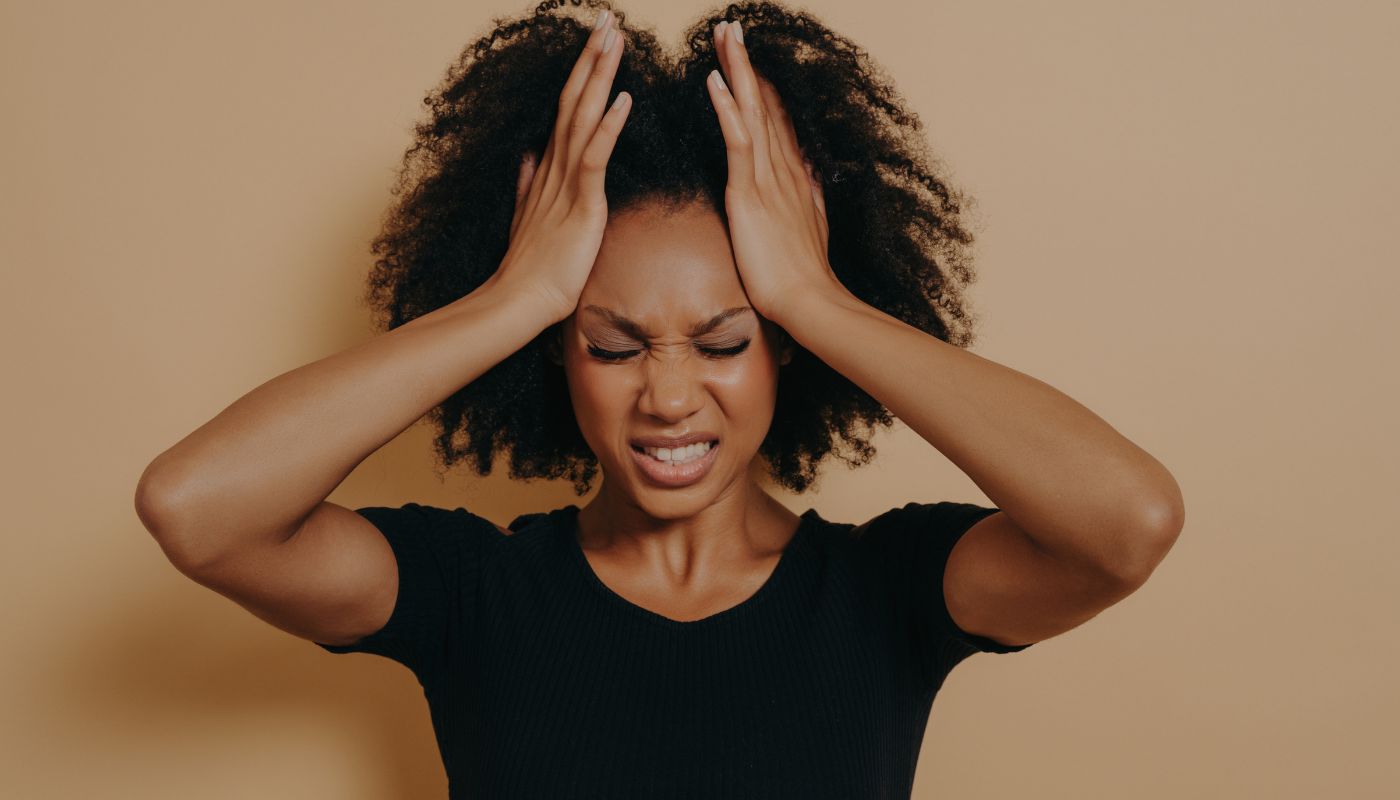
The Double-Edged Sword of Cortisol
Cortisol is neither villain nor hero, it's designed to help you handle short-term stress. But when stress becomes chronic, things go haywire:
- High Cortisol: Initially, stress raises cortisol, which:
- Suppresses thyroid function (falsely lowering TSH)
- Disrupts estrogen detoxification (worsening estrogen dominance)
- Creates blood sugar rollercoasters (energy crashes)
- Makes you more carb-sensitive (hello, stress eating and weight gain)
- Low Cortisol (Adrenal Fatigue): Eventually, your adrenals can't keep up, leading to:
- Morning exhaustion (can't get out of bed)
- Mid-afternoon crashes (desperate for sugar or caffeine)
- Evening "tired but wired" feeling (exhausted but can't sleep)
Sarah's Observation: "I feel like I need a nap at 3 PM every day, so I grab a cookie and another coffee... then I'm bouncing off the walls at 11 PM when I should be sleeping."
DHEA: Your Hormone Savings Account
DHEA is your body's most abundant hormone, serving as a "savings account" for other hormones. While it initially increases with stress, prolonged stress depletes it. Unlike other hormones, there's no feedback loop telling your brain to make more—creating a hormone deficit that leaves you running on empty.
3. The Metabolic Engine: Thyroid Hormones
Your thyroid is the body's metabolic thermostat, regulating energy production in every cell. But several factors can sabotage thyroid function:
- Subclinical Hypothyroidism: High cortisol suppresses TSH (thyroid stimulating hormone), making thyroid tests appear normal when function is actually low.
- T4 to T3 Conversion Problems: Your body must convert inactive T4 to active T3, but this process is inhibited by:
- High or low cortisol
- Lack of iron or Vitamin D
- Certain medications
When this happens, T4 may convert to Reverse T3 instead—an inactive form that blocks T3's effects. It's like having a car with a full tank of gas but no spark plugs.
- Estrogen's Binding Effect: High estrogen increases thyroid binding globulin, which binds up thyroid hormones so they can't work at the cellular level. Your blood tests might show normal total levels, but you have less "free" (active) hormone available.
4. The Power Generators: Androgens (Testosterone & DHEA)
Testosterone isn't just a male hormone—women produce it too, and it's crucial for energy, muscle strength, and motivation. Low levels contribute to fatigue and low libido, especially when combined with other hormonal imbalances.
Think of testosterone as your body's natural renewable energy source, keeping your mental and physical stamina charged. When levels drop, even simple tasks can feel depleting.
The Hidden Connection: How Hormones Create a Fatigue Cycle

Here's what makes hormonal fatigue so insidious: these systems don't operate in isolation—they form a complex web of interactions:
- Stress raises cortisol → Suppresses thyroid → Fatigue worsens
- Fatigue leads to poor sleep → Worsens hormone imbalances → More fatigue
- Hormone imbalances affect mood → Increases stress → Raises cortisol again
This creates a vicious cycle that conventional medicine often misses by looking at each system separately.
Why Traditional Approaches Fall Short
Most women with hormonal fatigue have a familiar experience with conventional medicine:
- Blood tests come back "normal" (but the wrong tests or wrong timing)
- Symptoms are dismissed as stress, aging, or depression
- Single-hormone approaches (like thyroid medication alone) provide incomplete relief
- Root causes go unaddressed while symptoms pile up
The result? Years of suffering unnecessarily, bouncing between specialists, and trying supplements that address symptoms but not causes.
Your Roadmap to Hormonal Balance and Renewed Energy

Step 1: Comprehensive Testing (Beyond the Basics)
Effective hormone testing looks beyond standard panels:
- Cycle-specific hormone testing to capture fluctuations (not just a single day)
- Free T3 and Reverse T3 (not just TSH)
- Cortisol pattern throughout the day (not just total cortisol)
- Sex hormone binding globulin to assess hormone availability
- Nutrient levels that affect hormone function (iron, vitamin D, B vitamins)
Step 2: Lifestyle Foundations for Hormone Balance
While you're working with a practitioner on the testing front, these evidence-based approaches can start rebuilding your energy foundation:
- Strategic sleep hygiene: A consistent sleep schedule and pre-bedtime routine are critical for progesterone production
- Blood sugar stabilization: Small, protein-rich meals every 3-4 hours prevent cortisol spikes
- Mind-body exercise: Recent research shows that mind-body exercises like yoga and tai chi significantly improve fatigue in perimenopausal women (SMD −0.67; 95% CI, −0.97 to −0.37)
- Targeted stress management: Regular brief meditation or breathwork specifically for hormone balance
- Environmental hormone disruptor reduction: Removing endocrine disruptors from personal care products and household items
Step 3: Personalized Treatment Approaches
Working with a hormone specialist allows for customized interventions:
- Bioidentical hormone therapy when appropriate
- Adrenal support protocols based on your specific cortisol pattern
- Thyroid optimization beyond standard T4-only approaches
- Targeted supplementation addressing your unique deficiencies
Sarah's Breakthrough: "Six months after starting my personalized protocol, I woke up one morning and actually felt rested. I cried with relief, I had forgotten what normal energy felt like. Now I know my afternoon slumps weren't laziness, they were my hormones screaming for help."
The Energy Transformation You Deserve

Imagine waking up refreshed. Moving through your day with steady energy. Being present for your family and actually enjoying your life instead of just surviving it.
This isn't a fantasy, it's what happens when your hormones work in harmony. And with the right approach, it can be your reality.
As one of our clients recently told us: "I spent $20,000 over three years seeing specialist after specialist for my fatigue. What finally worked? Getting my hormones properly tested and balanced. I would have paid double for the relief I feel now.
Taking Control: Your Next Steps
Don’t let unexplained fatigue and energy dips impact your quality of life, here are some more resources that can help:
- Track your symptoms using our Free Hormone Testing Guide to identify patterns and changes in your condition. This data is invaluable for pinpointing imbalances.
- Worried that your fatigue may be hormonal? Get proper testing with a provider who specializes in women's hormonal health. Don't accept "it's normal for your age" as an answer, demand comprehensive insights into your body's unique chemistry.
- Sign up for my free “Harmonize Your Hormones” course that contain practical guidance to balance your hormones naturally and what to do if you feel exhausted, foggy, and "off" even when your lab tests come back "normal"
- Join our community of women navigating hormone health together. Sign up for our free newsletter for evidence-based tips and support, delivered straight to your inbox. → The Hormone Beat
- Could your fatigue relate to perimenopause? Educate yourself with trusted resources. Our Perimenopause Mastery Course provides in-depth, science-backed information on managing this transition. Invest in your knowledge for lasting empowerment.
Note: This information is for educational purposes only and should not be used as a substitute for medical advice. Always consult with a qualified healthcare provider about your specific health needs.
About Dr. Tara Scott: Board-certified OB/GYN and Functional Medicine practitioner Dr. Tara Scott has helped thousands of women overcome hormone-related fatigue through her integrated approach combining conventional and natural medicine. Learn more at drtarascott.com.