
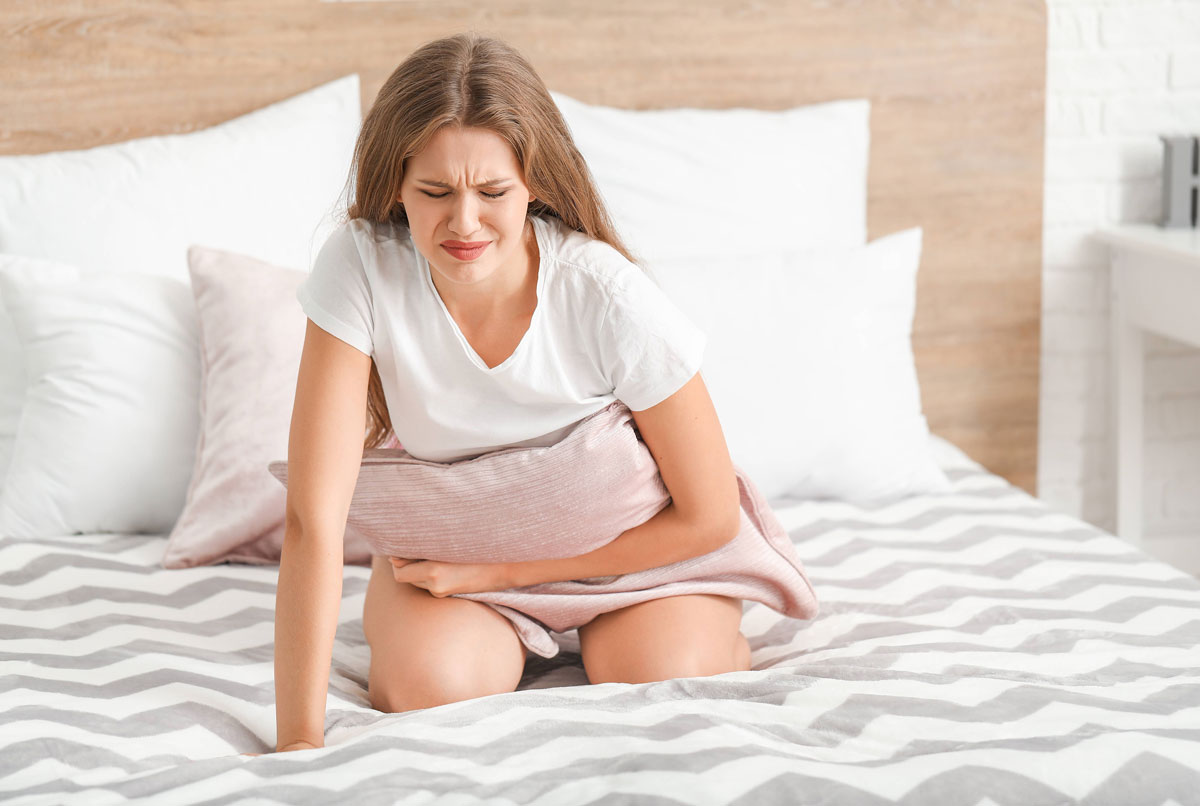
Have you been told your irregular periods are "just stress" or that your weight gain is simply a matter of eating less and exercising more?
Maybe you've been struggling with acne that won't clear up, hair growth in places you'd rather not have it, or fertility challenges that seem to have no explanation?
If you're nodding along, feeling dismissed by doctors who can't seem to connect the dots, you might be dealing with one of the most underdiagnosed hormonal conditions affecting women today: Polycystic Ovary Syndrome, or PCOS.
As someone who's spent years working with women navigating complex hormonal health issues, I can tell you that PCOS is far more common and far more misunderstood than most people realize. The frustrating part? Many women suffer for years before getting proper answers, often being told their symptoms are "normal" or unrelated.
Let me share what I wish every woman knew about this condition that affects up to 12% of reproductive-aged women, yet remains critically underdiagnosed.
What Is PCOS Really?
Polycystic Ovary Syndrome is a hormonal disorder characterized by elevated levels of androgens (male hormones) and often insulin resistance. Despite its name suggesting "cysts" on the ovaries, what we're actually seeing are multiple small follicles, the normal structures that house developing eggs.
The problem isn't the follicles themselves, but rather the hormonal imbalances that prevent normal ovulation. When eggs aren't released regularly, these follicles can accumulate, creating the "polycystic" appearance on ultrasound that gives the condition its name.
PCOS affects an estimated 6-12% of American women, making it one of the most common endocrine disorders in women of reproductive age. Yet research shows that up to 75% of cases go undiagnosed. This means millions of women are struggling with symptoms that could be effectively managed if properly identified and treated.
The challenge lies in PCOS's complexity. It's not a one-size-fits-all condition, women with PCOS can look completely different from one another. Some may struggle with weight gain and insulin resistance, while others might be lean but deal with irregular cycles and fertility issues. This heterogeneity makes diagnosis challenging and explains why so many women fall through the cracks.
The Many Faces of PCOS: Symptoms Beyond the Obvious
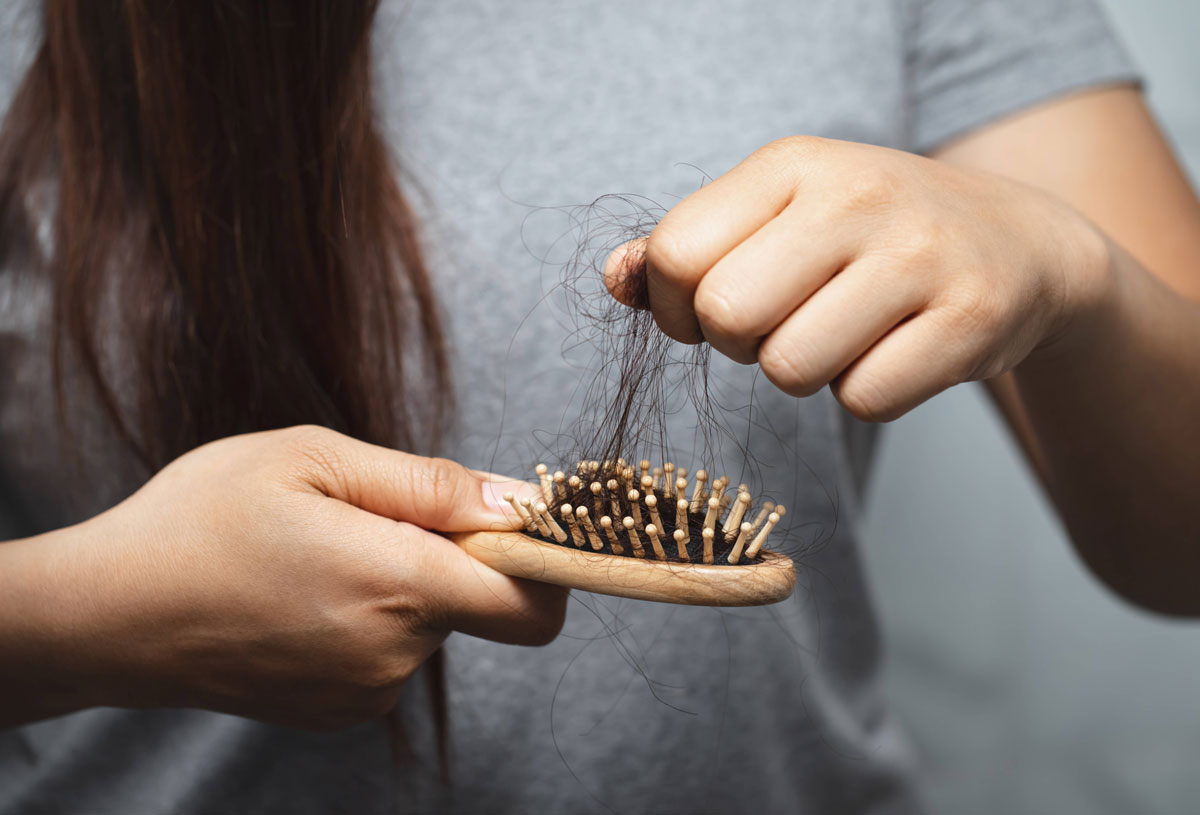
When most people think of PCOS, they picture facial hair and fertility problems. While these can certainly be part of the picture, PCOS symptoms are far more varied and can include:
Reproductive and Menstrual Issues:
- Irregular menstrual cycles (cycles longer than 35 days or fewer than 8 periods per year)
- Absent periods or very light periods
- Difficulty getting pregnant
- Miscarriages
Physical Manifestations:
- Excess facial and body hair (hirsutism), especially on the upper lip, chin, chest, and abdomen
- Hair thinning or male-pattern hair loss
- Acne, particularly along the jawline and back
- Oily skin
- Weight gain, particularly around the midsection
Metabolic Symptoms:
- Insulin resistance and elevated blood sugar
- Difficulty losing weight
- Increased appetite and sugar cravings
Other Symptoms:
- Fatigue and low energy
- Mood changes, including anxiety and depression
- Sleep problems
- Increased body odor
One particularly frustrating aspect of PCOS is what many women describe as "PCOS belly", a characteristic weight gain pattern that creates an apple-shaped silhouette. This abdominal weight accumulation is often due to visceral fat (fat around internal organs) and can be resistant to traditional weight loss approaches. The belly may appear larger, feel bloated and firm to the touch, and persist despite dietary changes and exercise efforts.
What makes PCOS especially challenging is that you might have only some of these symptoms, or they might change over time. Many women don't realize their seemingly unrelated symptoms could all stem from the same underlying hormonal imbalance.
The Root Causes: It's More Complex Than You Think
While the exact cause of PCOS isn't fully understood, research points to several contributing factors working together:
Genetics and Family History There's clearly a hereditary component to PCOS. If your mother or sister has it, your risk increases significantly. However, as I always tell my patients, genes load the gun, but environment pulls the trigger. Having a genetic predisposition doesn't guarantee you'll develop PCOS.
Insulin Resistance: The Central Player Many women with PCOS have insulin resistance, where cells don't respond efficiently to insulin. This leads to elevated insulin levels, which can stimulate the ovaries to produce excess androgens. High insulin also suppresses the production of sex hormone-binding globulin (SHBG), allowing more free testosterone to circulate in your system.
Chronic Stress and Elevated Cortisol Chronic stress can disrupt the delicate balance of reproductive hormones. Elevated cortisol levels may worsen insulin resistance and contribute to irregular menstrual cycles, creating a cycle where stress worsens PCOS symptoms, and PCOS symptoms create more stress.
Environmental Toxins Emerging research shows that exposure to endocrine-disrupting chemicals, found in plastics, pesticides, and personal care products, may play a role in PCOS development. These chemicals can interfere with normal hormone function and may be particularly problematic during critical developmental periods.
Inflammation Women with PCOS often have higher levels of chronic inflammation, which can worsen insulin resistance and androgen production. This creates another vicious cycle where inflammation drives PCOS symptoms, and PCOS symptoms promote more inflammation.
Getting the Right Diagnosis: What Testing Actually Matters
The standard diagnostic criteria for PCOS is called the Modified Rotterdam Criteria, which requires two of the following three findings:
- Elevated androgens – either shown on blood work (elevated testosterone, DHEA-S, or androstenedione) or clinically (hirsutism, acne, or hair loss)
- Irregular ovulation – cycles longer than 35 days apart or fewer than 8 periods per year
- Polycystic-appearing ovaries on ultrasound or elevated anti-Müllerian hormone (AMH) levels- these can be present but not necessary for diagnosis.
However, comprehensive PCOS evaluation should go much deeper. I typically recommend testing:
Hormonal Assessment:
- Free and total testosterone and SHBG
- DHEA-S and androstenedione
- LH and FSH (with attention to the LH/FSH ratio)
- Estradiol and Progesterone (timed appropriately in the cycle)
- Prolactin and thyroid function
Metabolic Evaluation:
- Fasting insulin and glucose
- HbA1c for long-term blood sugar patterns
- Lipid panel for cardiovascular risk assessment
Additional Considerations:
- Vitamin D levels (often deficient in PCOS)
- Inflammatory markers like CRP
- Complete thyroid panel including antibodies
For a more comprehensive picture, I often use advanced testing like the DUTCH test, which shows not just hormone levels but how your body metabolizes hormones, crucial information for creating effective treatment plans.
A Functional Medicine Approach: Treating the Root Cause
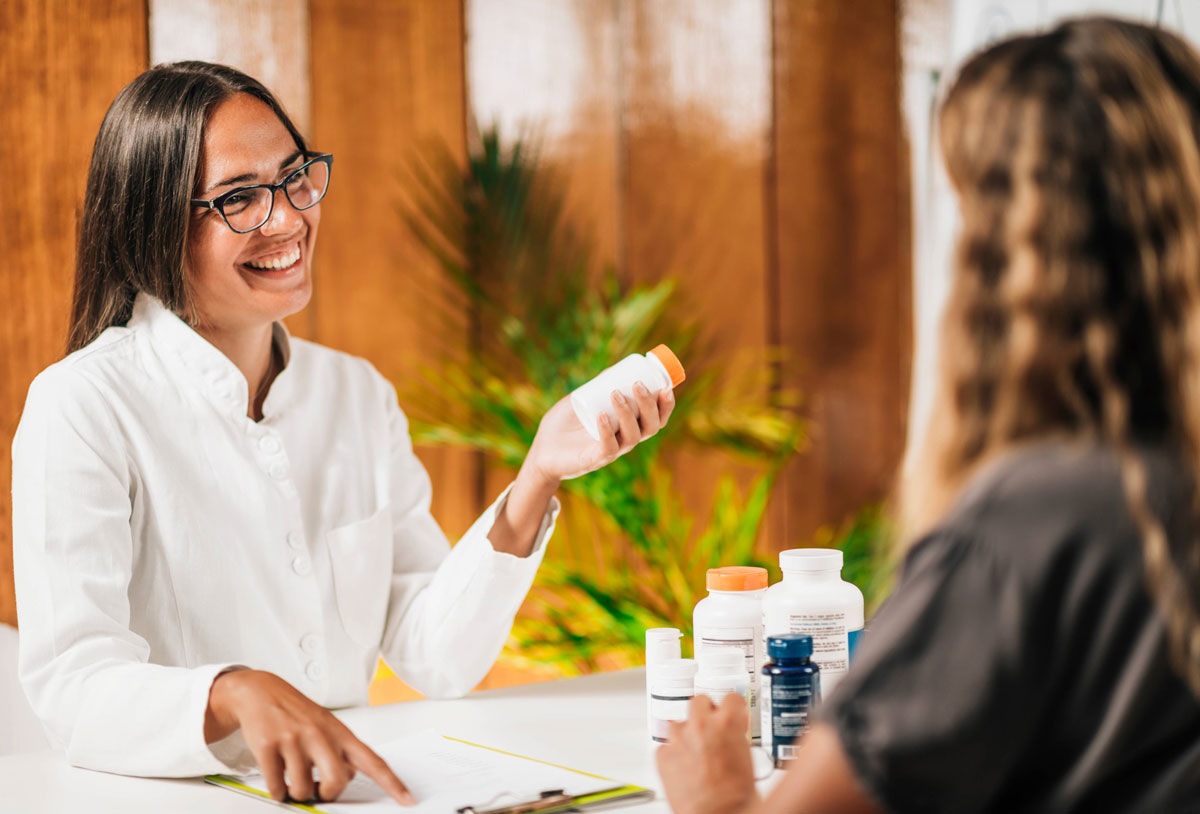
While conventional medicine often focuses on managing symptoms with birth control pills or metformin, a functional medicine approach looks deeper at the underlying imbalances driving PCOS.
Nutrition: The Foundation of Healing
There's no one-size-fits-all PCOS diet, but the general principle focuses on stabilizing blood sugar. This typically means:
- Emphasizing high-quality protein at every meal
- Including healthy fats like olive oil, avocado, nuts, and fatty fish
- Focusing on fiber-rich, colorful vegetables
- Limiting processed foods and refined sugars
- Considering elimination of common triggers like dairy and gluten
I often recommend continuous glucose monitors to help women understand how their bodies respond to different foods. The data can be eye-opening and empowering.
Strategic Supplementation Several supplements have strong research support for PCOS:
- Inositol: Critical for insulin sensitivity and ovarian function
- Berberine: May be as effective as metformin for blood sugar management
- N-acetyl-cysteine (NAC): Supports insulin sensitivity and may improve ovulation
- Vitamin D: Essential for hormone balance and often deficient in PCOS
- Omega-3 fatty acids: Help reduce inflammation and support hormonal balance
Movement and Exercise Exercise is crucial for PCOS management, particularly for improving insulin sensitivity. Resistance training and high-intensity interval training can be especially beneficial, though any movement is better than none.
Stress Management Given the role of chronic stress in PCOS, stress management isn't optional, it's essential. This might include meditation, yoga, adequate sleep, or working with a therapist to address underlying stressors.
Environmental Toxin Reduction Simple steps like choosing organic foods when possible, filtering water, and switching to non-toxic personal care products can reduce your exposure to hormone-disrupting chemicals.
Why I Don't Recommend Birth Control Pills for PCOS
While birth control pills are commonly prescribed for PCOS to "regulate" cycles, they don't actually treat the underlying condition. Instead, they create artificial cycles while potentially worsening some of the root issues. If you need to prevent pregnancy, then great! But otherwise it doesn’t fix what is wrong.
Birth control pills can:
- Increase insulin resistance in some women
- Deplete important nutrients like B vitamins and magnesium
- Suppress natural hormone production
- Mask symptoms without addressing root causes
When you stop the pill, symptoms often return because the underlying hormonal imbalances haven't been addressed.
The Connection to Other Conditions
PCOS rarely exists in isolation. Women with PCOS have higher rates of:
- Hashimoto's thyroiditis (autoimmune thyroid disease) is three times more common in women with PCOS
- Type 2 diabetes can be a risk due to insulin resistance
- Cardiovascular disease is linked to metabolic dysfunction
- Depression and anxiety is related to hormonal imbalances and chronic symptoms
This is why comprehensive care is so important. Treating PCOS often means addressing multiple systems simultaneously.
Hope and Healing: PCOS Is Manageable

If you're reading this and recognizing yourself in these symptoms, please know that PCOS is very manageable when approached comprehensively. I've seen countless women reclaim their energy, balance their cycles, improve their fertility, and feel like themselves again.
The key is finding a healthcare provider who understands that PCOS is more than just "take this pill and see you next year." Look for someone trained in functional medicine, integrative medicine, or hormone health who will:
- Listen to your complete symptom picture
- Order comprehensive testing
- Consider your lifestyle, stress levels, and environmental exposures
- Create a personalized treatment plan that addresses root causes
The Bottom Line
Your hormones affect every system in your body, so when PCOS disrupts this delicate balance, you feel it everywhere. The symptoms I see daily in my practice include irregular periods, unexplained weight gain, persistent acne, mood swings. They aren't just "part of being a woman" or something you need to accept. They're often signs of treatable hormonal dysfunction.
Trust your symptoms, not just basic lab results. If you feel terrible but have been told your hormones are "normal," push for comprehensive testing that goes beyond standard panels. Many women with PCOS have been dismissed for years before getting proper answers.
Your hormonal health matters because it affects your fertility, weight, mood, energy, skin, and overall quality of life. Don't accept feeling like a stranger in your own body when answers and effective treatments are available.
If any of these symptoms resonate with you, start by tracking them and advocating for proper testing. Understanding your complete hormone picture might be the key to unlocking the vibrant health you deserve.
Taking Control: Your Next Steps
You don’t have to “grin and bear” hormone imbalances that can be the cause of PCOS, here's how to take control of your hormonal health:
- Learn how to connect symptoms to hormone imbalances using our free quiz and check out our Free Hormone Testing Guide to learn about the most complete testing for hormone imbalances.
- Take my free course Harmonize Your Hormones to learn how diet, lifestyle and even your beauty routine impacts your hormone balance.
- Join our community of women navigating perimenopause together. Sign up for our free newsletter for evidence-based tips and support, delivered straight to your inbox. → The Hormone Beat
- If you’re ready to go deeper on hormone health, sign up for our Simply Hormone Rebalancing Course that provides in-depth, science-backed information on managing your hormones the smart way.
This information is for educational purposes only and should not replace personalized medical advice. Always consult with a qualified healthcare provider about your specific symptoms and health concerns.