

"You're just getting older." "It's probably stress." "Have you tried exercising more?"
These were the responses I heard for years as I struggled with crushing fatigue, unexplained weight gain, and brain fog so severe I could barely function at work. I thought it was just due to grueling hours of residency.
I was diagnosed with hypothyroidism during my infertility work up, but only the minimal thyroid labs were ordered.
It wasn't until I started learning about functional medicine and ordered my own comprehensive thyroid testing - including antibodies - that I discovered I had Hashimoto's thyroiditis, an autoimmune condition attacking my thyroid gland. The relief of finally having an explanation was overwhelming, but so was the frustration of knowing I'd suffered unnecessarily for years.
Here's what shocked me: an estimated 20 million Americans have thyroid disease, yet up to 60% remain undiagnosed. Women are 5-8 times more likely than men to have thyroid problems, with one in eight women developing a thyroid disorder during her lifetime. The most common form is hypothyroidism (underactive thyroid), which affects far more people than hyperthyroidism (overactive thyroid).
The tragedy is that thyroid problems are often misdiagnosed or missed entirely because symptoms develop gradually and mimic other conditions. Even more concerning, most doctors only run basic thyroid tests, missing the autoimmune component that drives 90-95% of hypothyroidism cases.
If you've been feeling "off" but can't pinpoint why, your thyroid might be the missing piece of the puzzle.
Understanding Your Thyroid
Your thyroid is a small, butterfly-shaped gland located at the base of your neck, but don't let its size fool you - this little gland controls much of how your body functions. Think of it as your body's metabolic thermostat, producing hormones that regulate energy production, body temperature, heart rate, digestion, brain function, and even your mood.
The thyroid produces two main hormones: T4 (thyroxine) and T3 (triiodothyronine). T4 is the storage form that gets converted to T3, the active hormone that actually does the work in your cells. When this system functions properly, you feel energetic, maintain a healthy weight, think clearly, and feel emotionally balanced.
When your thyroid produces too little hormone (hypothyroidism), everything slows down. When it produces too much (hyperthyroidism), everything speeds up. Both conditions can significantly impact your quality of life, but hypothyroidism is far more common, affecting about 5-10% of the population compared to hyperthyroidism's 1-2%.
The challenge is that thyroid problems typically develop slowly over months or years, so symptoms can be subtle at first and easily attributed to other causes.
Common Signs of Hypothyroidism (Underactive Thyroid)
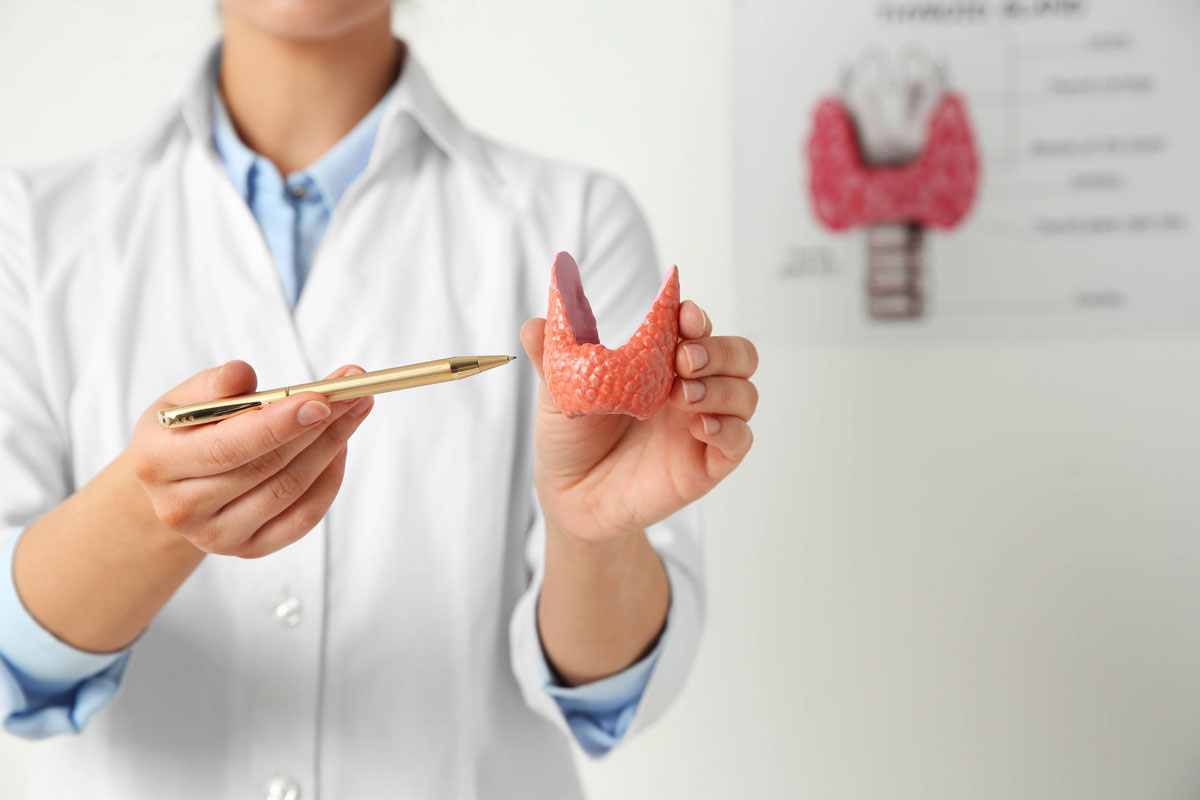
Hypothyroidism symptoms often develop so gradually that many women adapt to feeling terrible, accepting it as their "new normal." Here are the most common signs:
Energy and Metabolism:
- Persistent fatigue that doesn't improve with rest or sleep
- Unexplained weight gain or inability to lose weight despite diet and exercise
- Feeling cold all the time, especially hands and feet
- Requiring more sleep but still feeling tired
Physical Changes:
- Hair thinning or loss, especially at the crown and temples
- Dry, coarse skin and brittle nails
- Puffy face, hands, or feet
- Muscle aches, weakness, and joint pain
- Slow pulse or low blood pressure
Digestive and Menstrual Issues:
- Chronic constipation
- Heavy, irregular, or prolonged menstrual periods
- Difficulty getting pregnant
Mental and Emotional Symptoms:
- Brain fog and difficulty concentrating
- Memory problems
- Depression or persistent low mood
- Irritability and mood swings
- Decreased motivation or interest in activities
The frustrating reality is that these symptoms are often dismissed as consequences of "busy modern life," stress, or aging. I can't tell you how many patients have told me they were advised to "get more sleep" or "try yoga" when what they really needed was proper thyroid evaluation.
Less Common Signs of Hyperthyroidism (Overactive Thyroid)
While hyperthyroidism is less common, it's equally important to recognize its signs:
Metabolism and Energy:
- Unexplained weight loss despite increased appetite
- Feeling hot or overheated frequently
- Excessive sweating
- Rapid or irregular heartbeat
- Tremors or shaking hands
Mental and Emotional Changes:
- Anxiety, nervousness, or feeling "wired"
- Irritability and mood swings
- Difficulty sleeping or insomnia
- Racing thoughts
Physical Symptoms:
- More frequent bowel movements or diarrhea
- Muscle weakness
- Eye problems or bulging eyes (in Graves' disease)
- Lighter or missed menstrual periods
Hyperthyroidism can be particularly dangerous if left untreated, as it strains the cardiovascular system and can lead to serious complications.
The Autoimmune Connection: When It's More Than Just Thyroid
Here's what most people (and many doctors) don't realize: the vast majority of thyroid problems aren't actually thyroid problems at all. They're autoimmune conditions where the immune system attacks the thyroid gland.
In my case, Hashimoto's thyroiditis was causing my hypothyroidism. This autoimmune condition accounts for 90-95% of all hypothyroidism in developed countries. Similarly, most hyperthyroidism is caused by Graves' disease, another autoimmune condition.
This distinction matters enormously because:
- Autoimmune thyroid disease often fluctuates, causing symptoms to come and go
- It frequently occurs alongside other autoimmune conditions
- It requires different treatment approaches than simple thyroid hormone deficiency
- It can worsen over time if the autoimmune component isn't addressed
Signs that suggest autoimmune thyroid disease:
- Symptoms that fluctuate or seem to come in waves
- Family history of thyroid or other autoimmune conditions
- Personal history of other autoimmune conditions
- Thyroid medication that stops working well or needs frequent adjustments
- Symptoms that don't fully resolve with thyroid hormone replacement
The critical test that most doctors skip? Thyroid antibodies. Testing for TPO (thyroid peroxidase) and thyroglobulin antibodies can reveal autoimmune activity years before conventional thyroid tests show abnormalities.
Why Thyroid Problems Are Misdiagnosed
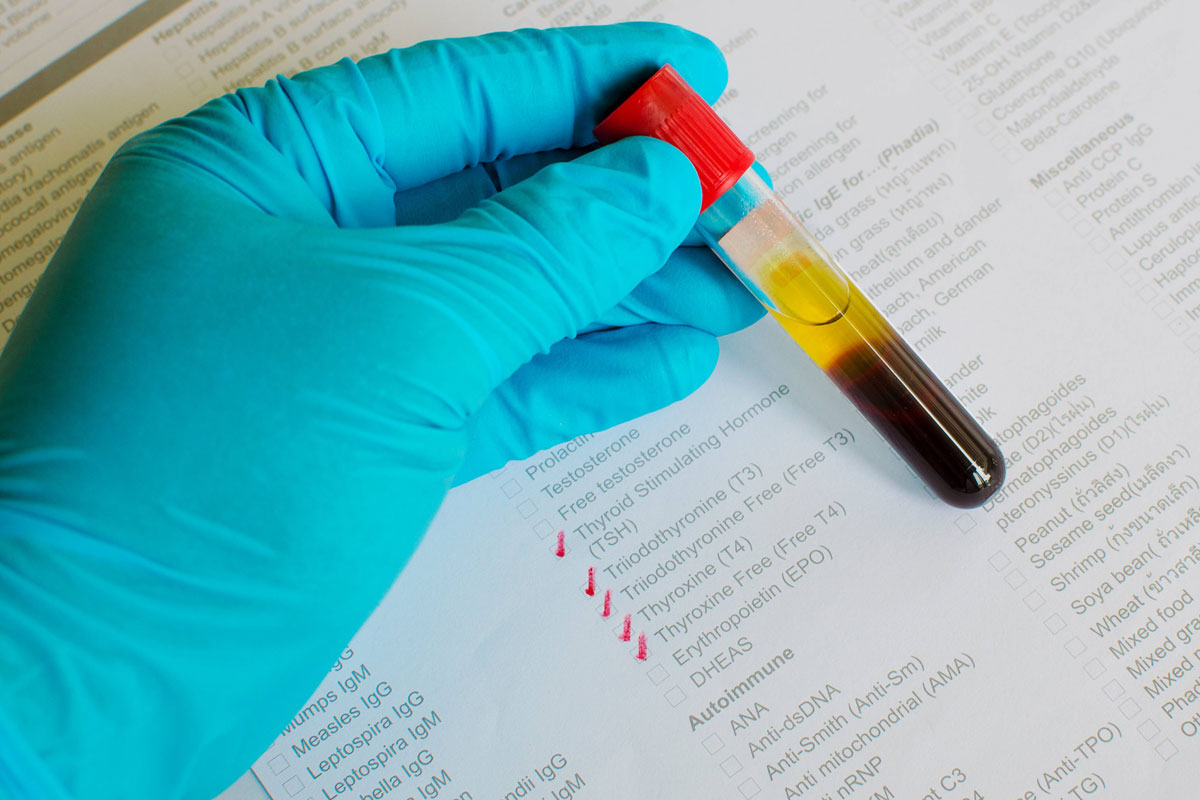
The misdiagnosis of thyroid conditions is alarmingly common, and I've seen this pattern repeatedly in my practice:
Symptom Overlap: Thyroid symptoms mimic depression, anxiety, perimenopause, chronic fatigue syndrome, and dozens of other conditions. Without proper testing, it's easy to miss the thyroid connection.
Inadequate Testing: Most doctors only test TSH (thyroid stimulating hormone), but this tells just part of the story. You can have normal TSH with low T3, high reverse T3, or autoimmune antibodies that won't show up on basic testing.
Outdated Reference Ranges: Standard lab ranges are based on population averages, not optimal health. Many people feel terrible with "normal" TSH levels between 3-5, when optimal function typically occurs with TSH below 2.5.
Dismissive Attitudes: Women's symptoms are often minimized or attributed to stress, hormones, or psychological issues. I've had patients told their fatigue was due to "having young children" or their weight gain was from "getting older."
Focus on Numbers Over Symptoms: Many doctors treat lab results rather than patients, missing the fact that optimal thyroid function is about how you feel, not just what your numbers show.
This is why thyroid problems often worsen over time when the underlying autoimmune cause isn't addressed. Simply replacing thyroid hormone without addressing the immune attack is like putting a band-aid on a wound that keeps reopening.
When to Suspect a Thyroid Problem
Consider thyroid testing if you experience:
Multiple Unexplained Symptoms: Especially fatigue, weight changes, temperature sensitivity, and mood issues occurring together.
Family History: Thyroid disease and autoimmune conditions often run in families.
Gradual Onset: Symptoms that developed slowly over months or years rather than suddenly.
Life Transitions: Pregnancy, perimenopause, menopause, or periods of high stress can trigger thyroid problems.
Other Autoimmune Conditions: Having one autoimmune condition increases risk for others.
Geographic Factors: Living in areas with iodine deficiency or high environmental toxin exposure.
Medication or Treatment History: Previous radiation exposure, certain medications, or iodine contrast dyes can affect thyroid function.
Getting Proper Testing
If you suspect a thyroid problem, request comprehensive testing, not just TSH:
Complete Thyroid Panel:
- TSH (optimal range: 0.5-2.5)
- Free T4 and Free T3 (should be in upper half of range)
- Reverse T3 (can indicate conversion problems)
- TPO and thyroglobulin antibodies (to detect autoimmune disease)
Additional Useful Tests:
- Vitamin D, B12, ferritin (common deficiencies that worsen thyroid function)
- Morning cortisol (stress affects thyroid function)
If your doctor won't order comprehensive testing, consider working with a functional medicine practitioner who understands the complexity of thyroid health. You can also order your own testing through direct-to-consumer labs.
The Bottom Line
Your thyroid affects every system in your body, so when it's not working properly, you feel it everywhere. The symptoms I experienced, and that millions of women face daily, aren't just "part of being a woman" or "normal aging." They're often signs of treatable thyroid dysfunction.
Trust your symptoms, not just your lab results. If you feel terrible but have been told your thyroid is "normal," push for comprehensive testing including antibodies. Early detection and proper treatment can prevent years of unnecessary suffering and potential health complications.
Your thyroid health matters because it affects your energy, weight, mood, fertility, heart health, and overall quality of life. Don't accept feeling terrible as your new normal when answers and effective treatments are available.
If any of these symptoms resonate with you, start by tracking them and advocating for proper testing. Your thyroid might be the key to unlocking the vibrant health you deserve.
Taking Control: Your Next Steps
You don’t have to “grin and bear” hormone imbalances that can compromise your thyroid and your energy, here's how to take control of your hormonal health:
- Learn how to connect symptoms to hormone imbalances using our free quiz and check out our Free Hormone Testing Guide to learn about the most complete testing for hormone imbalances.
- Take my free course Harmonize Your Hormones to learn how diet, lifestyle and even your beauty routine impacts your hormone balance.
- Join our community of women navigating perimenopause together. Sign up for our free newsletter for evidence-based tips and support, delivered straight to your inbox. → The Hormone Beat
- If you’re ready to go deeper on hormone health, sign up for our Simply Hormone Rebalancing Course that provides in-depth, science-backed information on managing your hormones the smart way.
This information is for educational purposes only and should not replace personalized medical advice. Always consult with a qualified healthcare provider about your specific symptoms and health concerns.