
Your hormones control everything from your energy and mood to digestion and sleep. But when they’re out of balance, your body sends warning signs. Here are the 7 most common ones:
- Irregular or Missed Periods: Changes in your cycle often signal shifts in estrogen and progesterone levels.
- Mood Changes: Anxiety, irritability, or depression may stem from fluctuating hormones like estrogen or serotonin.
- Constant Fatigue: Feeling drained despite rest? Thyroid or adrenal hormones might be off.
- Sudden Weight Changes: Unexplained weight gain or loss can indicate issues with insulin, cortisol, or thyroid hormones.
- Sleep Problems and Night Sweats: Hormonal shifts can disrupt sleep or lead to excessive sweating.
- Skin, Hair, or Libido Changes: Acne, hair thinning, or a decline in sex drive often indicate hormone imbalances.
- Digestive Problems: Bloating, constipation, or diarrhea can be tied to estrogen and progesterone levels.
These symptoms may seem unrelated, but they’re often connected to hormone imbalances. Tracking patterns and seeking medical advice can help you address the root cause and feel better.
6 Signs & Natural Fixes for Hormonal Imbalances in Women Over 40
1. Irregular or Missed Periods
Your menstrual cycle is often referred to as a "monthly report card" for your hormonal health. When your periods become irregular or disappear altogether, it can signal a hormonal imbalance. These changes often serve as one of the first signs that something may be shifting in your body.
A typical menstrual cycle lasts between 21 and 35 days, with an average duration of around 28 days. If your cycle falls outside this range, it’s often linked to fluctuations in estrogen and progesterone levels.
What Causes Period Irregularities?
Several health conditions can disrupt your menstrual cycle. For instance, polycystic ovary syndrome (PCOS), thyroid disorders, and primary ovarian insufficiency (which affects about 1% of women under 40) are all known to disrupt estrogen and progesterone levels. These hormonal changes can interfere with ovulation and lead to irregular periods.
Natural Life Stages Play a Role
Life stages like puberty, pregnancy, childbirth, breastfeeding, and menopause naturally bring hormonal changes that can affect your cycle. For example, during puberty, it’s normal for cycles to be irregular for up to two years as your body adjusts. Recognizing these natural variations can help you determine when it’s time to seek medical advice.
When to Seek Help
"Irregular periods are not usually a sign of a problem. But speak to a GP if your periods are irregular or your normal pattern of periods changes." - NHS
Reach out to your healthcare provider if you haven’t had a period for 3–6 months (and you’re not pregnant), if you notice bleeding between periods or after sex, or if the time between your periods keeps shifting. If you’re sexually active and your period is late, it’s a good idea to take a pregnancy test before consulting your doctor.
Keeping a record of your cycle - whether in an app or a diary - can make it easier to discuss your symptoms with a healthcare professional. If pregnancy is ruled out and irregularities persist, your doctor may recommend further evaluation. This could include a pelvic exam, pelvic ultrasound, endometrial biopsy, or hysteroscopy to uncover the root cause.
2. Mood Changes and Emotional Shifts

Mood swings, irritability, anxiety, or feeling down can often point to a hormonal imbalance. These emotional shifts can feel sudden and unexpected, catching many women off guard. Recognizing these patterns is key to understanding how hormones might be influencing your overall well-being. Let’s take a closer look at how hormone fluctuations can lead to specific mood changes.
When estrogen levels rise and fall, it can affect serotonin, a key mood-regulating chemical in your brain, making you more prone to emotional ups and downs. Similarly, shifts in progesterone and testosterone can bring on feelings of anxiety, worry, or even panic.
The Numbers Tell the Story
The link between hormones and mood is more common than you might think. Around 90% of women experience uncomfortable symptoms before their periods, and 20% to 40% deal with PMS at some point in their lives. For those with more intense symptoms, 3% to 9% are affected by premenstrual dysphoric disorder (PMDD), which can cause significant mood changes. These statistics underscore the importance of prioritizing your emotional well-being.
"Hormones can have a big impact on your mental health." - Nina Vasan, MD, Psychiatrist and Chief Medical Officer at Real
During Peak Hormonal Shifts
Certain life stages are associated with heightened sensitivity to hormonal changes. For instance, perimenopause can feel like PMS all over again, with 4 in 10 women experiencing mood-related symptoms. New mothers also face challenges, as 10% to 25% experience major depression within the first six months after childbirth.
"For many women, the time around menopause is a period of vulnerability for feeling down, irritable, or anxious. These symptoms can affect well-being but typically are not severe enough to be signs of a diagnosable mood disorder." - Pauline Maki, Ph.D., director of the Women's Mental Health Research Program at the University of Illinois at Chicago
Identify Timing Patterns
Timing is everything when it comes to hormone-related mood changes. If you notice emotional shifts around your menstrual cycle, during pregnancy, postpartum, or perimenopause, hormones could be the culprit. For example, you might feel unusually irritable in the days leading up to your period or experience sudden waves of anxiety at specific times of the month.
Taking Action
Start by tracking your symptoms. Jot down when you feel these mood changes and how they relate to your menstrual cycle, stress levels, or daily activities. This can help you and your healthcare provider determine whether hormones are at play or if other factors might be involved.
Supporting your emotional health through regular exercise, a nutritious diet, adequate sleep, and effective stress management techniques can help maintain a steady mood. Activities like meditation or yoga can be particularly helpful for easing stress-related hormonal shifts.
If your mood changes begin to interfere with your daily life, relationships, or work, don’t hesitate to reach out for professional support. Therapy, counseling, or joining a support group can offer practical tools for navigating hormone-related emotional challenges.
3. Constant Fatigue

Feeling tired now and then is normal, but when exhaustion becomes a daily struggle, even after plenty of rest, it might signal a hormone imbalance. Chronic fatigue that persists despite adequate sleep could be your body's way of alerting you to an underlying hormonal issue. Let’s dive into how these imbalances could be draining your energy.
"For many women, fatigue and feeling drained of physical and mental energy is the direct result of an internal hormonal imbalance." – Women's Health Network
Understanding Hormonal Fatigue
This type of fatigue isn’t the kind you can shake off with a nap or a lazy weekend. Hormonal fatigue often comes hand-in-hand with brain fog, low motivation, and an overall sense of sluggishness. Even after a solid 8–9 hours of sleep, you might wake up feeling like you haven’t rested at all.
The Hormone Connection
Your energy levels are heavily influenced by a few key hormones, and when they’re out of sync, fatigue can take over:
- Thyroid hormones: An underactive thyroid (hypothyroidism) can sap your energy, leaving you with symptoms like extreme tiredness, dull skin, thinning hair, a slower heartbeat, and even unexpected weight gain.
- Sex hormones: Shifts in estrogen and progesterone during menstruation, perimenopause, or menopause can leave you feeling wiped out. Low testosterone levels can also affect your energy and drive.
- Adrenal hormones: Chronic stress can throw your adrenal glands off balance, leading to daytime exhaustion and restless nights. This vicious cycle of disrupted sleep and fatigue can make it hard to recover.
If you notice your fatigue coincides with other symptoms, consider the role hormones are playing.
Recognizing the Pattern
Hormonal fatigue often aligns with specific patterns. For instance, you might feel more drained during specific points in your menstrual cycle, during stressful periods, or while navigating significant life changes. These patterns can provide clues that your body’s hormonal systems are struggling to stay balanced.
Supporting Your Energy Naturally
While addressing the root cause of hormonal fatigue is crucial, there are steps you can take to feel more energized in the meantime:
- Engage in light physical activities like walking or yoga to gently boost your energy without overwhelming your body.
- Eat a nutrient-dense diet rich in fruits, vegetables, lean proteins, and healthy fats to stabilize blood sugar levels and support hormone health.
- Practice stress management techniques such as meditation, deep breathing, or journaling to help calm your nervous system.
- Stick to a consistent sleep schedule to encourage better rest and recovery.
If these changes don’t make a noticeable difference or if fatigue is disrupting your daily life, it’s wise to consult a healthcare professional for further evaluation and support. They can help pinpoint the cause and guide you toward effective treatment options.
4. Sudden Weight Changes

Unexplained weight gain or loss can be incredibly frustrating, especially when it appears to happen without warning. Often, hormones are the hidden driver behind these unexpected weight fluctuations.
"Hormonal imbalances can significantly impact a woman's weight, often leading to unexplained weight gain." - J. Gabriel Guajardo, M.D.
How Hormones Influence Weight
Unlike gradual weight changes, those caused by hormones often occur unexpectedly. You may notice that your clothes fit differently in just a few weeks. These shifts can also lead to bloating, changes in appetite, and redistribution of fat to new areas of the body.
Several hormones play a key role in regulating your metabolism, appetite, and fat storage. When they’re out of sync, dramatic weight changes can follow:
- Insulin resistance: This makes it harder for your body to process sugar, increasing hunger and slowing fat breakdown. It’s often linked to PCOS and can lead to weight gain, especially around the belly.
- Estrogen fluctuations: Hormonal changes during menstruation, pregnancy, and menopause can directly affect weight. High estrogen levels encourage fat storage in areas like the hips and thighs, while low estrogen can increase insulin resistance, raising the risk of type 2 diabetes.
- Cortisol imbalances: Chronic stress can spike cortisol levels, boosting your appetite and creating cravings for calorie-dense foods. This hormone also promotes fat storage around the abdomen, making belly fat particularly stubborn.
- Thyroid hormone deficiency: When thyroid hormones are low, your metabolism slows down significantly. This can make weight gain almost unavoidable, even if your diet hasn’t changed.
These hormonal issues often overlap, making it essential to address them holistically.
Spotting the Patterns
Hormonal weight changes often follow recognizable patterns. For example, your weight might shift around your menstrual cycle, during particularly stressful times, or major life transitions like pregnancy or menopause. Paying attention to these patterns can help you figure out which hormones might be involved.
Steps to Support a Healthy Weight
While it’s crucial to address the underlying hormonal imbalance, there are practical steps you can take to help your body manage weight more effectively:
- Focus on a nutrient-packed diet: Eat plenty of fiber-rich foods like vegetables, flaxseeds, and oats. Include cruciferous vegetables such as broccoli and cauliflower, which support hormone balance.
- Incorporate exercise: A mix of cardio and strength training can boost your metabolism and help reduce fat stored due to estrogen. Strength training, in particular, is highly effective for managing hormonal weight changes.
- Limit alcohol: Alcohol can interfere with your liver’s ability to process excess hormones. Support your liver by staying hydrated, eating leafy greens, and possibly adding supplements like DIM (under professional guidance).
- Prioritize sleep and stress management: Quality sleep and stress reduction help regulate cortisol and estrogen levels, both of which are critical for maintaining a healthy weight.
If sudden weight changes come with other symptoms, it’s worth consulting a healthcare provider. They can help pinpoint the specific hormonal imbalances and develop a tailored treatment plan.
5. Sleep Problems and Night Sweats
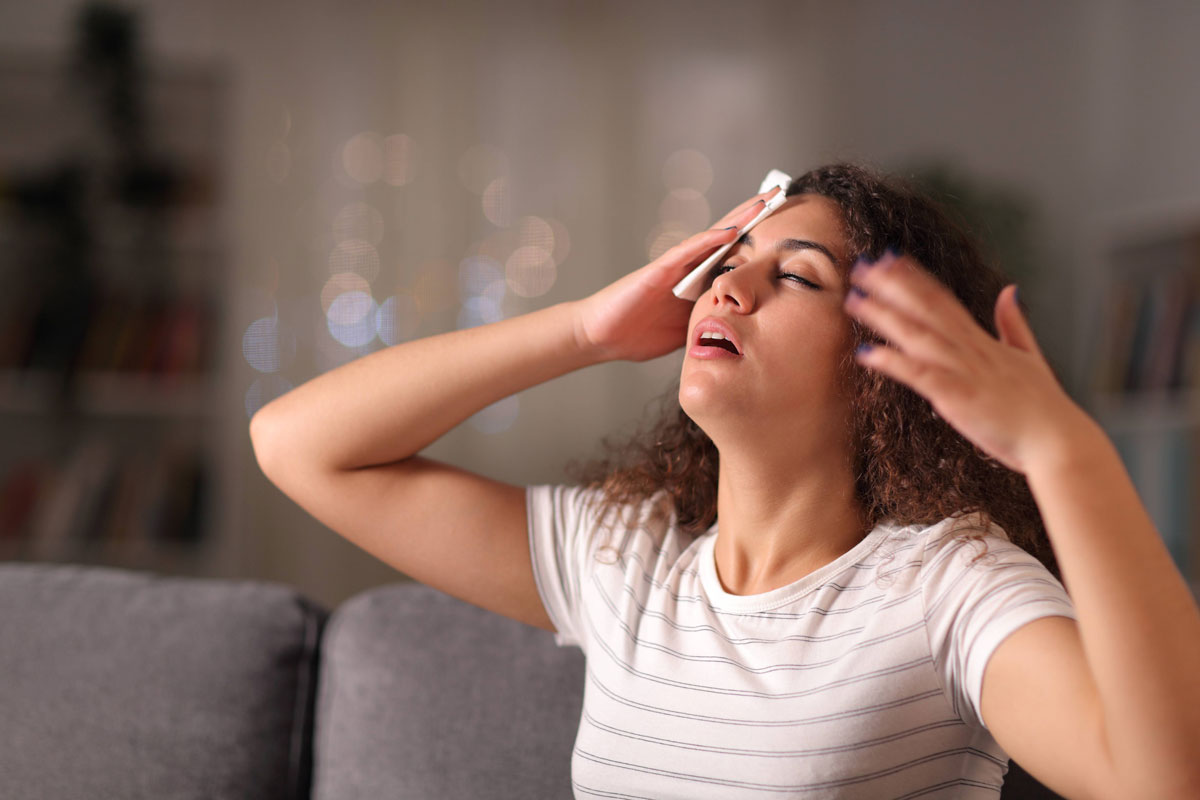
Waking up soaked in sweat or struggling to stay asleep might point to a hormone imbalance that’s messing with your energy and rest.
"True night sweats are defined as severe hot flashes occurring at night that can drench sleepwear and sheets." - Laura M. Rosch, DO
Understanding the Hormone-Sleep Connection
Reproductive hormones like estrogen and progesterone are key players in controlling sleep patterns and body temperature. When these hormones fluctuate, they can throw your sleep off track.
Hot flashes and night sweats affect up to 80% of women going through perimenopause or menopause. And it’s not just limited to that - over one-third of pregnant women deal with these symptoms, with 29% still experiencing them after giving birth.
"Insomnia is much more common in women than men. This can be caused by a variety of reasons, including psychological, social, and physiological." - Christine Won, MD
How Hormones Disrupt Your Sleep
Hormonal imbalances interfere with how the hypothalamus - the brain’s temperature regulator - works. Fluctuations in estrogen and progesterone can cause sudden heat surges, which often interrupt sleep.
These hormone shifts are common during:
- Menstruation and PMS/PMDD
- Pregnancy and postpartum
- Perimenopause and menopause
- Periods of chronic stress
Unfortunately, poor sleep can further disrupt hormone levels, creating a frustrating cycle.
"It's not as black and white as hormones decrease, so sleep decreases. The symptoms of menopause, including hot flashes and night sweats, may underlie many of the sleep problems that peri- and early menopausal women commonly encounter." - Lubna Pal, MD
Identifying these patterns is the first step toward finding solutions for better sleep.
When to Be Concerned
Hormonal night sweats are pretty common, but sometimes they can indicate something more serious. If your night sweats are soaking through your pajamas and bedding - or if they come with symptoms like fever, unexplained weight loss, or persistent fatigue - it’s time to see a healthcare provider to rule out other issues.
Practical Solutions for Better Sleep
Dealing with hormone-related sleep problems and night sweats doesn’t have to feel overwhelming. Here are some strategies to help:
- Set Up a Sleep-Friendly Space: Keep your bedroom cool, use breathable bedding, and add a fan for better air circulation.
- Rethink Your Evening Habits: Skip caffeine, alcohol, and spicy foods before bed. If you’re hungry, go for a light snack with complex carbs and protein.
- Exercise Smartly: Regular physical activity can help balance hormones and improve sleep, but avoid intense workouts close to bedtime.
- Add Hormone-Friendly Foods: Soy-rich foods, which contain phytoestrogens, may help balance estrogen levels. Staying hydrated also supports temperature regulation.
- Relax Before Bed: Try meditation, yoga, or deep breathing exercises to ease stress and promote hormone balance.
If these lifestyle tweaks don’t do the trick, it’s worth talking to your doctor. Options like hormone replacement therapy or low-dose birth control might help manage your symptoms.
Taking small steps like these can make a big difference in improving your sleep and overall well-being.
6. Changes in Skin, Hair, or Sex Drive
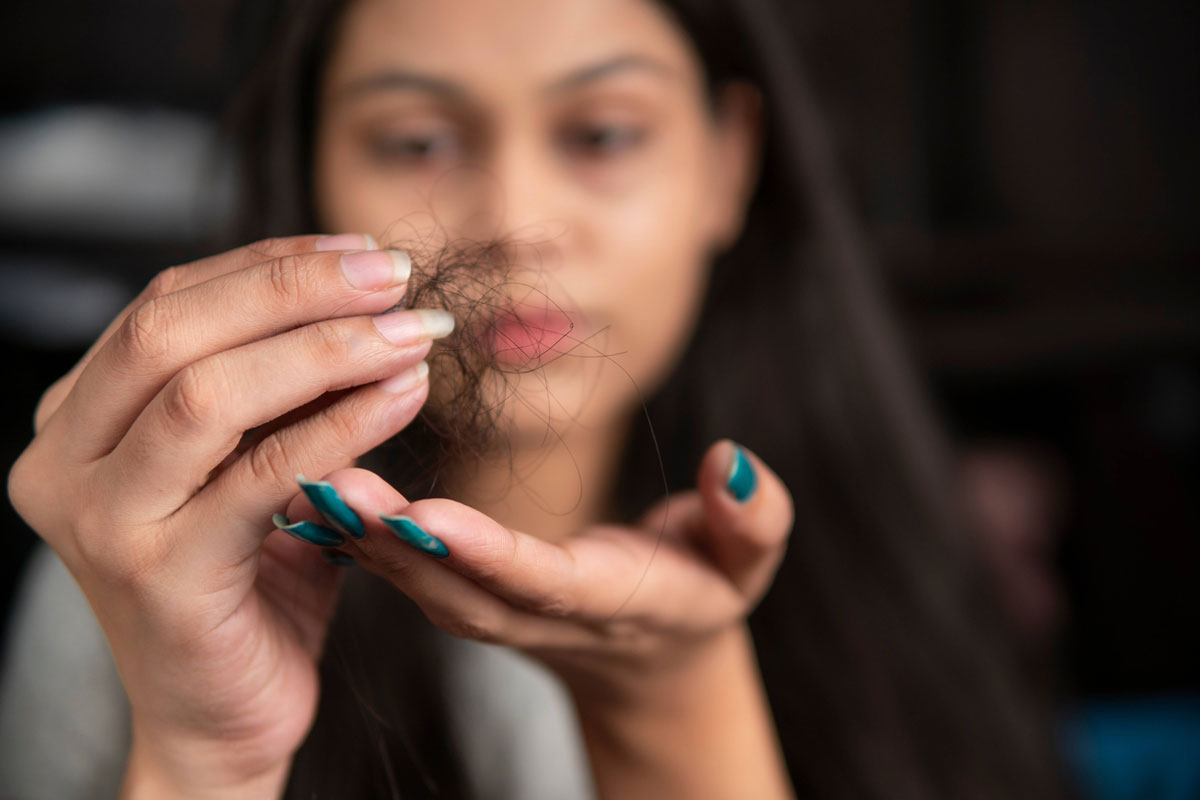
When your hormones are out of sync, your skin, hair, and sex drive often bear the brunt of it. These changes act as a mirror, reflecting the internal shifts happening in your body.
"Our skin is a direct reflection of our overall health. Skin issues, including oiliness, acne, dryness, and sensitivity,y may signal an imbalance in hormone levels." - Dr. Zenovia
How Hormones Impact Your Skin
Hormones play a big role in regulating oil production and cell turnover. When they’re out of balance, skin issues like acne, sensitivity, and hyperpigmentation can crop up. For instance, during pregnancy, increased progesterone levels might lead to more acne, while fluctuations in estrogen and progesterone can result in dark patches on the skin. Did you know acne affects about 50 million Americans annually? On top of that, around 42% of those who menstruate report heightened skin sensitivity tied to their cycle. Stress doesn’t help either - hormonal changes related to stress can lead to redness and flushing, particularly during perimenopause and menopause, affecting about 75% of women in these stages. Hormonal imbalances can also weaken the skin's moisture barrier, leaving it dry and dehydrated.
Hair Changes That Point to Hormonal Shifts
Your hair is another area where hormonal changes leave their mark. Millions of people deal with hair loss, and nearly half of all women experience thinning at some point. A major culprit is dihydrotestosterone (DHT), a hormone that shrinks hair follicles, making hair weaker and thinner [50, 52]. Female pattern hair loss is surprisingly common, affecting anywhere from 6% to 64.4% of women, often linked to changes in estrogen and progesterone during menopause, pregnancy, or postpartum [50, 53]. On the flip side, excessive hair growth, known as hirsutism, affects 4–11% of women globally and is often tied to elevated androgen levels. If you notice coarse hair growing on areas like your face or chin, it could signal an increase in male hormone production.
"If coarse hair grows on your face and chin, your body may be producing too many male hormones. If you're losing hair, you may have a thyroid issue."
These changes often extend beyond physical appearance, influencing overall well-being, including sexual health.
When Your Sex Drive Declines
A drop in libido is another telltale sign of hormonal imbalance, but it’s one that’s often overlooked. Low estrogen levels can cause vaginal dryness and discomfort during intimacy, naturally dampening interest. During menopause, up to 40% of women report experiencing a decrease in sexual desire.
"Low testosterone levels can lead to a low libido (sex drive)." - Debra L. Somers, MD, FACOG, Temple Health
Testosterone, a hormone that plays a role in sexual desire, starts to decline in your mid-30s, dropping to about half its peak level by the time you reach menopause. For women who’ve had both ovaries removed, testosterone levels can plummet by 40–50%, often accompanied by a similar reduction in libido. Low estrogen can also lead to vaginal atrophy, where the vaginal walls thin and become inflamed, making intimacy uncomfortable. Research further links low estrogen to dryness, reduced sensitivity, and decreased blood flow to the clitoris, all of which can impact sexual satisfaction.
Taking Action to Restore Balance
Noticing changes in your skin, hair, or sex drive? There are steps you can take to help restore balance. For your skin, stick to a consistent routine with gentle cleansers, moisturizers, and sunscreen. If hair loss is a concern, regular exercise, stress management, and a nutrient-rich diet can make a difference.
"If your hair loss is caused by an imbalance, you might need to talk to an endocrinologist to begin rebalancing your hormones. This will not only treat your alopecia, but also other symptoms that you might have overlooked or grown used to."
Don’t hesitate to consult a dermatologist or primary care doctor for skin-related issues, and reach out to your gynecologist for menstrual irregularities. Managing stress effectively can also go a long way in supporting hormonal health. These visible and physical changes are a reminder of just how vital it is to keep a close eye on your hormonal health.
7. Digestive Problems and Appetite Changes
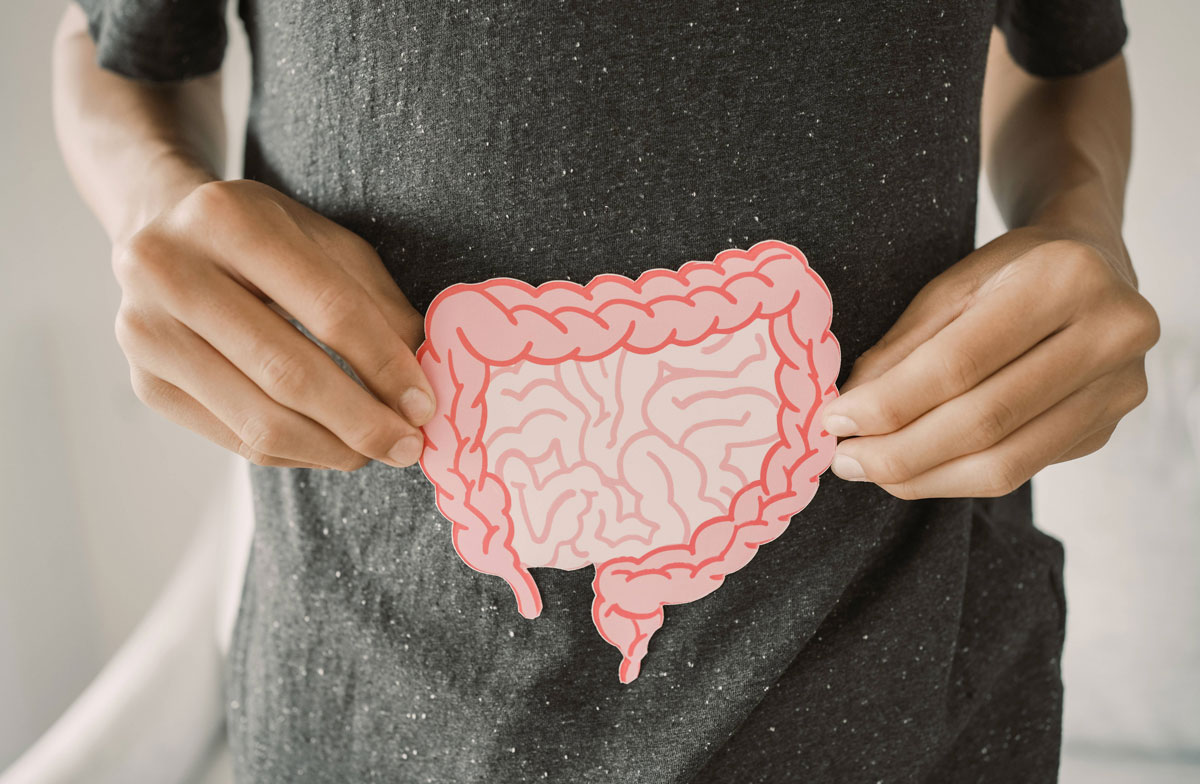
Your digestive system and hormones are more connected than you might think. When estrogen and progesterone levels shift, they can disrupt your gut, causing symptoms that many women don’t immediately link to hormonal changes. Here’s a closer look at how these fluctuations affect your digestion.
"We know that estrogen and progesterone affect gastrointestinal tract motility [the movement of food through the gastrointestinal tract], amongst other things, and this can cause significant symptoms such as bloating, pain, constipation, and diarrhea."
– Alyssa Anderson, MD, gastroenterologist at HealthPartners
How Hormones Impact Digestion
Your gut contains receptors that respond directly to estrogen and progesterone. When these hormone levels change, your digestion can follow suit. For instance, progesterone tends to slow digestion, which can lead to bloating, gas, and constipation. On the other hand, estrogen can speed things up, sometimes resulting in loose stools. These hormonal effects also influence the smooth muscles in your intestines, determining how quickly food moves through your system.
During the late luteal phase of your menstrual cycle, when hormone levels drop, symptoms like bloating, constipation, or diarrhea often become more noticeable. Similarly, menopausal women often experience slower digestion due to lower estrogen and progesterone levels, which can lead to constipation, bloating, and even weight gain.
"Hormones play a role in digestion. And as hormones shift during the month, a woman may have times of either constipation or diarrhea."
– Anne Spicer, DC, DACCP, professor and clinician at Northwestern Health Sciences University's Bloomington Clinic
Hormones and IBS: A Strong Connection
Women are far more likely to develop irritable bowel syndrome (IBS) than men. In fact, research suggests that women may be up to six times more likely to experience IBS. Hormonal fluctuations are a significant factor, with about 40% of women with IBS reporting that their symptoms worsen during their menstrual cycle. These fluctuations can also increase inflammation, making IBS symptoms more severe, although many women find relief once they reach menopause and their hormonal levels stabilize. One study even found that roughly one-third of otherwise symptom-free women experienced gastrointestinal issues during menstruation.
Hormones and Appetite Changes
Hormones don’t just affect your digestion - they also influence your appetite. Estrogen plays a key role in regulating hunger, and when its levels drop, you might notice an increased appetite and a slower metabolism. Low estrogen can disrupt hunger hormones like leptin, ghrelin, and cholecystokinin (CCK), which may contribute to weight gain, particularly around the midsection, during menopause. Sleep disturbances and mood changes, which are common during menopause, can further complicate appetite regulation, creating a cascade of interconnected symptoms.
Supporting Your Digestive Health
If you’re noticing digestive issues tied to your menstrual cycle, pregnancy, perimenopause, or menopause, your hormones could be the culprit. Thankfully, small changes can make a big difference. For example:
- Stay hydrated: Drinking plenty of water supports proper digestion and helps reduce water retention.
- Focus on a balanced diet: Aim for fruits and vegetables to make up about half of your meals to support colon health.
- Manage stress: Stress impacts hormone levels and can worsen bloating and other symptoms.
- Exercise and eat mindfully: Eating slowly can help you recognize when you’re full, while regular exercise supports metabolism and weight management.
If these symptoms persist or are accompanied by other signs of hormonal imbalance, it’s worth consulting a healthcare provider. Your gut health and hormonal balance are closely linked, and addressing one can often improve the other.
When to Get Professional Help
Recognizing when to reach out for professional help is just as important as understanding the early warning signs. While occasional shifts in mood or energy can be part of life’s rhythm, symptoms that go beyond the usual ups and downs may need medical attention.
If you notice your symptoms becoming more intense or lingering for an extended period, it’s time to consult a healthcare professional. Examples include heavy or painful periods, severe mood swings, persistent fatigue that doesn’t improve with rest, or unexplained weight changes. Pay close attention if these symptoms start interfering with your daily life - whether it’s at work, in your relationships, or through difficulty concentrating or sleeping.
Some symptoms might also point to deeper issues. For instance, brain fog and memory problems can be tied to declining estrogen levels, especially during menopause. These shouldn’t be brushed off as just part of aging.
Preparing for Your Healthcare Visit
Before seeing a doctor, it’s helpful to keep a symptom diary. Track how often symptoms occur, how long they last, and how intense they are. Note any potential triggers or if they seem tied to your menstrual cycle. Bring a list of any medications you’re taking and jot down questions you want to ask. Sharing how your symptoms affect your daily routine can provide your doctor with valuable context for an accurate diagnosis.
Healthcare Professionals Who Can Help
Your first step should be visiting a primary care physician or a gynecologist. If your situation is more complex, they may refer you to an endocrinologist, a specialist in hormones, for more targeted care. These professionals might perform blood tests to check levels of hormones like estrogen, progesterone, testosterone, and thyroid hormones. They could also recommend pelvic exams or imaging tests, such as ultrasounds, to identify issues like ovarian cysts or fibroids.
The Risks of Waiting
Don’t delay seeking help. Ignoring these symptoms can lead to complications. Left untreated, hormonal imbalances can contribute to infertility, osteoporosis from low estrogen, cardiovascular issues, or unmanaged conditions like PCOS. Acting early can help prevent these problems and improve your overall health in the long run.
Getting Started with Professional Resources
For a quick overview of your hormone health, you can try Dr. Tara Scott’s free hormone health quiz. Her comprehensive hormone guide also offers evidence-based strategies to help you work toward rebalancing your hormones.
Conclusion
Noticing the seven early signs - like irregular periods or changes in digestion - gives you a chance to address potential issues before they escalate. These signals, including mood swings, persistent fatigue, unexpected weight shifts, sleep disturbances, changes in skin or hair, and digestive problems, are your body's way of saying something might be off.
But here's the key: these symptoms don’t have to define your daily life. Taking action early can help you avoid complications and improve your overall well-being.
Simple lifestyle changes can make a big difference. Focus on eating a balanced diet, staying active, managing stress, and prioritizing quality sleep to support your hormone health. If these adjustments don’t seem to help, it’s important to consult a healthcare professional. Some conditions, like thyroid disorders or diabetes, require specific medical treatments.
Your hormones play a role in nearly every part of your life - from your energy levels to how you feel day to day. By paying attention to what your body is telling you and acting quickly when something feels off, you can protect both your current health and your future vitality. Listen to your body and don’t hesitate to seek help when you need it.
FAQs
What are the common causes of hormone imbalances in women, and how are they diagnosed?
Hormone imbalances in women can stem from a mix of internal and external factors. Medical conditions like polycystic ovary syndrome (PCOS), early menopause, thyroid issues, or autoimmune disorders are common culprits. On the other hand, external influences such as chronic stress, certain medications, birth control, pregnancy, or even exposure to environmental chemicals can disrupt hormone levels.
Diagnosing these imbalances often requires a thorough review of your medical history, a physical examination, and lab tests that analyze hormone levels in your blood, urine, or saliva. In some cases, imaging tests like MRI or CT scans may be necessary to identify potential underlying causes, such as cysts or tumors. If you're dealing with ongoing symptoms, it's important to consult a healthcare provider for an accurate diagnosis and tailored treatment plan.
What lifestyle changes can help manage hormone imbalances and their symptoms?
Making small but intentional lifestyle adjustments can have a big impact on managing hormone imbalances and alleviating their symptoms. Incorporating regular physical activity, such as walking, yoga, or strength training, can help keep hormones in check while tackling issues like fatigue and mood swings.
Your diet plays a crucial role, too. Prioritize meals rich in protein, fiber, and healthy fats to promote hormonal balance and maintain a steady weight. Managing stress is another key factor - practices like meditation or deep breathing can help, as can ensuring you get 7–9 hours of restful sleep each night. Additionally, reducing exposure to harmful chemicals is important. Opt for natural cleaning products and steer clear of unnecessary toxins wherever possible.
These small changes can go a long way in supporting your body’s natural hormonal rhythms and enhancing your overall quality of life.
When should I see a doctor about symptoms of hormone imbalance?
If you're experiencing symptoms such as irregular periods, mood swings, constant fatigue, unexplained weight changes, or noticeable shifts in your energy levels, it’s worth reaching out to a healthcare provider. These could be indicators of a hormone imbalance.
It's especially important to seek medical attention if your symptoms are severe, worsening, or disrupting your daily life. Consulting a primary care doctor or an endocrinologist early on can help uncover the cause and guide you toward treatment options to support your hormonal health.
Taking Control: Your Next Steps
You don’t have to “grin and bear” hormone imbalances that can cause a wide range of symptoms, here's how to take control of your hormonal health:
- Learn how to connect symptoms to hormone imbalances using our free quiz and check out our Free Hormone Testing Guide to learn about the most complete testing for hormone imbalances.
- Take my free course Harmonize Your Hormones to learn how diet, lifestyle and even your beauty routine impacts your hormone balance.
- Join our community of women navigating perimenopause together. Sign up for our free newsletter for evidence-based tips and support, delivered straight to your inbox. → The Hormone Beat
- If you’re ready to go deeper on hormone health, sign up for our Simply Hormone Rebalancing Course that provides in-depth, science-backed information on managing your hormones the smart way.
This information is for educational purposes only and should not replace personalized medical advice. Always consult with a qualified healthcare provider about your specific symptoms and health concerns.